Wasatch Crest Men's Campus
Heber, UT
Key Facts About Wasatch Crest Men's Campus
- Location: Heber, UT — Joint Commission accredited
- Levels of Care: Residential Rehab, Co-Occurring Mental Health, Outpatient, Detox
- Insurance: Accepts 24 providers including Aetna, Anthem, BlueCross BlueShield
- Therapies: 1-on-1 Counseling, Cognitive Behavioral Therapy, Family Therapy, Group Therapy and more
- Help Available: Call (833) 567-5838 for free insurance verification and placement assistance
About Wasatch Crest Men's Campus
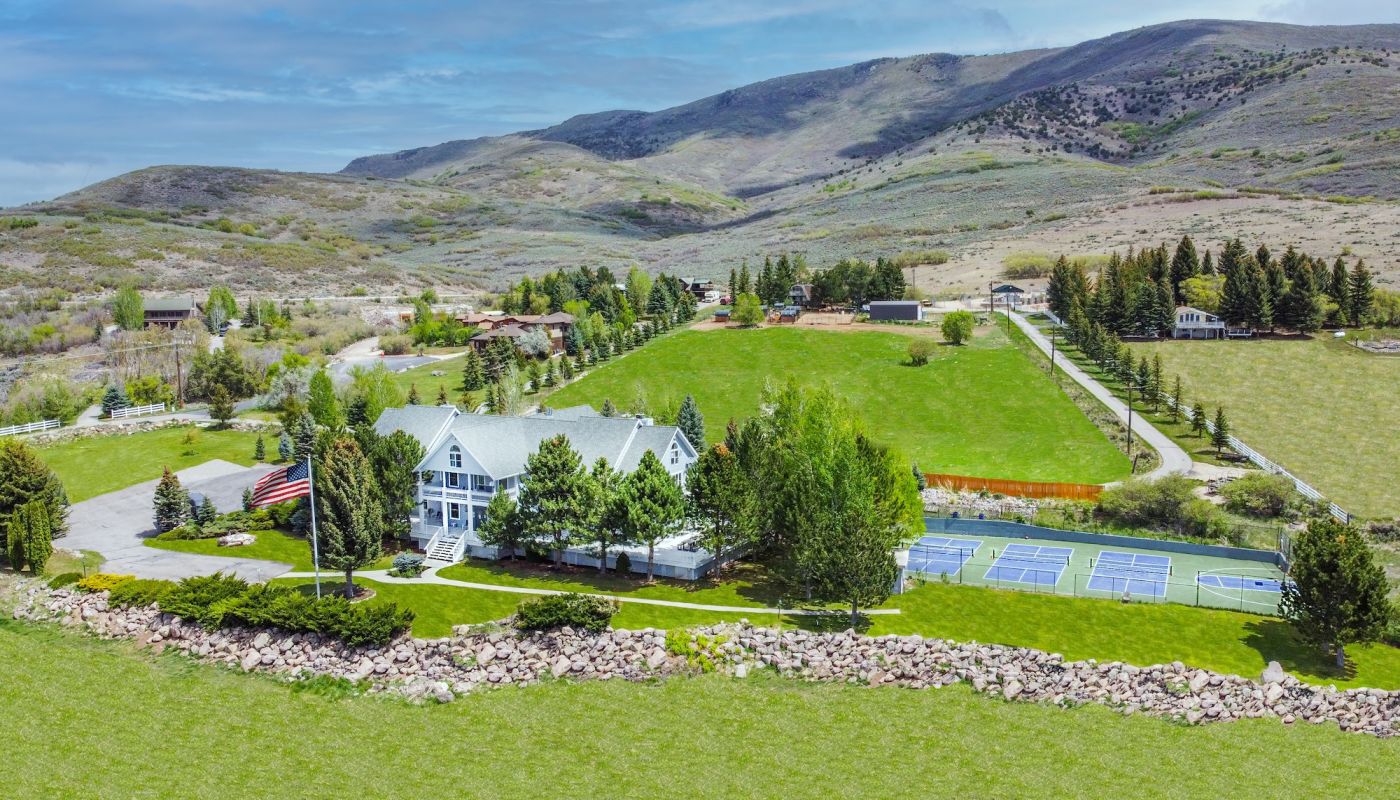
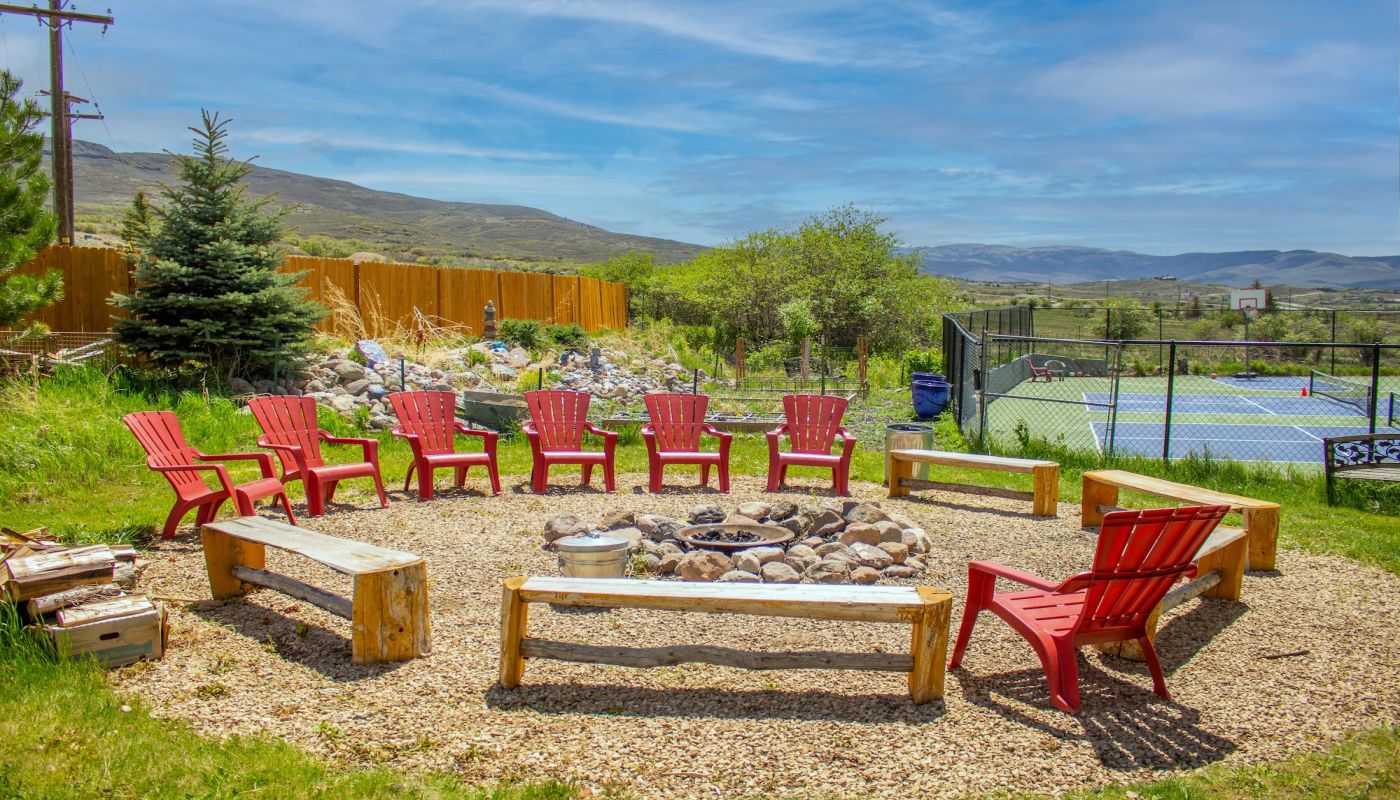
Through Wasatch Crest’s adventure-based program, individuals rediscover a sense of purpose and find new passions in life: rock climbing, fly fishing, ice skating, and snowshoeing, and equine therapy are just some of the activities offered during the program. On the weekends a plethora of excursion opportunities take place including hiking on the Wasatch Mountain Range trails, stand-up paddle boarding near neighboring lakes, and rock climbing at one of the greatest outdoor climbing locations in the region. The campus itself hosts a variety of recreation amenities to enjoy including a sweat lodge, tennis courts, and private hiking trails.
Led by masters-level therapists, Wasatch residents can expect a personalized approach to detox and addiction recovery. By combining cognitive behavioral therapy with mindfulness techniques compassionate therapists give individuals the tools needed to overcome addiction and develop meaningful lives in sobriety. Individual counseling is at the core of the program as well as experiential therapies like art and music therapy, yoga, mindfulness, Native American spirituality groups, community service projects, and even a Lakota Sweat Lodge ritual. After treatment, Wasatch Crest keeps in close contact with the graduates by organizing regular alumni aftercare gatherings, group meals, 12-Step meetings, and outdoor camping excursions. With numerous positive reviews and a stunning location, Wasatch Crest offers a great opportunity for those looking for an adventure-based program.
Evidence-Based Context: According to SAMHSA's National Survey on Drug Use and Health (2023), approximately 48.7 million Americans aged 12 or older had a substance use disorder in the past year. The National Institute on Drug Abuse (NIDA) emphasizes that treatment programs combining behavioral therapy with medication-assisted approaches show the highest rates of sustained recovery. Facilities like Wasatch Crest Men's Campus provide structured pathways to evidence-based care. Sources: SAMHSA NSDUH 2023, NIDA Principles of Drug Addiction Treatment (4th Ed.)
Who This Center Serves
Amenities & Features
What to Expect at Wasatch Crest Men's Campus
1. Initial Assessment
A clinical team evaluates your history, needs, and goals to create a personalized plan.
2. Active Treatment
Evidence-based therapies including 1-on-1 Counseling and Cognitive Behavioral Therapy, typically 30 days.
3. Progress & Recovery
Regular progress reviews, skill-building sessions, and adjustment of your treatment plan.
4. Aftercare Planning
Continued support, relapse prevention strategies, and connections to community resources for lasting recovery.
Understanding Your Treatment Options
Choosing the right treatment facility is one of the most important decisions in the recovery journey. Research published by the National Institute on Drug Abuse (NIDA) shows that treatment duration, therapeutic approach, and aftercare planning are the three strongest predictors of long-term sobriety.
Wasatch Crest Men's Campus offers 4 distinct levels of care, allowing patients to step through treatment intensities as they progress. This continuum-of-care model — moving from higher to lower intensity — is recommended by SAMHSA as the gold standard for addiction treatment.
The facility utilizes 9 evidence-based therapeutic modalities. According to NIDA research, combination therapy approaches that integrate behavioral interventions (such as 1-on-1 Counseling and Cognitive Behavioral Therapy) with holistic support show significantly improved outcomes compared to single-modality programs.
Under the Mental Health Parity and Addiction Equity Act, most commercial insurance plans are required to cover substance abuse treatment. Wasatch Crest Men's Campus works with 24 insurance providers. Call (833) 567-5838 to verify your specific coverage and learn about out-of-pocket costs before admission.
Contact Information
Quick Facts
| Program | 30 days |
| Capacity | 16-30 beds |
| Focus | This center treats substance u... |
| Insurance | 24 accepted |
| Accreditation | Joint Commission |
Similar Centers
Compare Options
Helpful Resources
Levels of Care
Available treatment intensities
Therapies & Methods
Treatment Philosophy
Conditions & Substances Treated
Insurance Accepted
Wasatch Crest Men's Campus works with 24 insurance providers.
Verify Your Insurance Coverage
Free verification · Know your costs before you commit