Pathways Recovery

P.O. Box 847, Folsom, CA 95763

Est. 2010 3 care levels
(833) 567-5838 Free · Confidential · 24/7

Key Facts About Pathways Recovery

  • Location: Folsom, CA
  • Levels of Care: Co-Occurring Mental Health, Outpatient, Detox
  • Insurance: Accepts 24 providers including Aetna, Anthem, BlueCross BlueShield
  • Therapies: 1-on-1 Counseling, Cognitive Behavioral Therapy, Family Therapy, Relapse Prevention Counseling and more
  • Help Available: Call (833) 567-5838 for free insurance verification and placement assistance

About Pathways Recovery

In the picturesque Northern California foothills close to Sacramento, Pathways Recovery offers gender-specific, dual-diagnosis addiction treatment for men and women. Pathways Recovery takes a holistic approach when treating addiction, typically addressing unresolved trauma and post traumatic stress (PTSD) issues contributing to substance use disorders. The majority of patients treated at Pathways have struggled with traumatic events, anxiety, depression, and more. Pathways Recovery takes great pride in viewing each person's experience as unique and offering therapies tailored to the individual's specific needs.
Medical detox, gender-specific residential treatment, and intensive outpatient (IOP) treatment are all offered at Pathways Recovery. Staffed by a team of experts, patients can expect individual counseling, small group therapy, family counseling, mindfulness sessions, personal fitness training, yoga, and more.
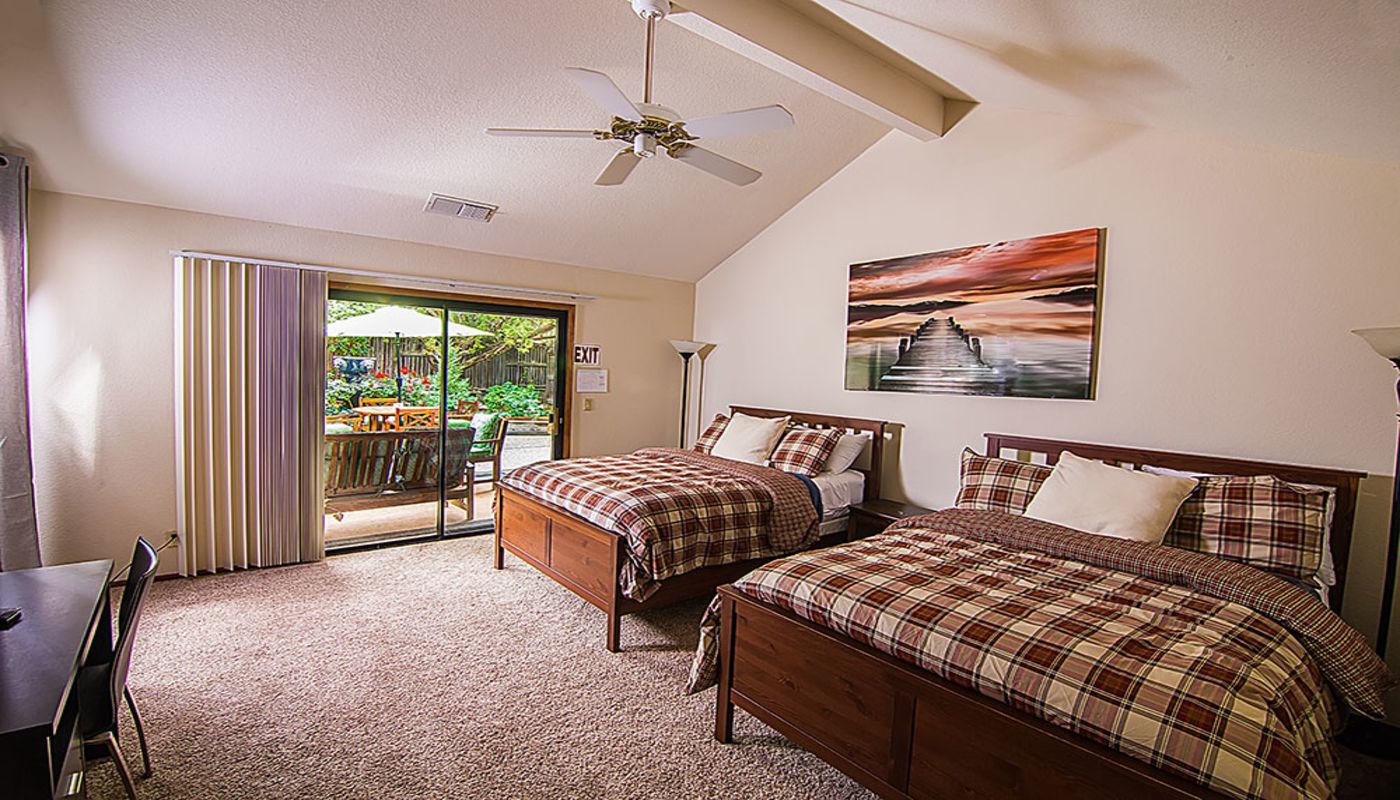
Pathways Recovery takes a quality over quantity approach, offering cozy, up-scale homes for 6 women and 8 men. This intimate, home-like environment brings a sense of calm and comfortability. The women's ranch-like home is set in the quiet countryside with an on-site pool and hot tub, perfect for relaxing. The men's home offers private and semi-private bedrooms with a small staff-to-client ratio. Gourmet meals are prepared by in-house chefs, ensuring proper nutrition for optimal healing.
Although Pathways Recovery offers a unique, intimate setting they often have immediate openings in their treatment center, which typically become available within a few weeks. In addition to quick, responsive care, Pathways Recovery was ranked as one of the top California treatment centers in 2021 according to Newsweek Magazine.

Evidence-Based Context: According to SAMHSA's National Survey on Drug Use and Health (2023), approximately 48.7 million Americans aged 12 or older had a substance use disorder in the past year. The National Institute on Drug Abuse (NIDA) emphasizes that treatment programs combining behavioral therapy with medication-assisted approaches show the highest rates of sustained recovery. Facilities like Pathways Recovery provide structured pathways to evidence-based care. Sources: SAMHSA NSDUH 2023, NIDA Principles of Drug Addiction Treatment (4th Ed.)

Who This Center Serves

Men Women Women only

Amenities & Features

Access to Nature
Outdoor Lounge
Pool
Gardens
Chef-prepared Meals
Walking Trails
Hot Tub

Services Offered

Substance use treatment
Outpatient Outpatient day treatment or partial hospitalization Intensive outpatient treatment Regular outpatient treatment
Buprenorphine used in Treatment Naltrexone used in Treatment
In-network prescribing entity Other contracted prescribing entity No formal relationship with prescribing entity
Accepts clients using medication assisted treatment for alcohol use disorder but prescribed elsewhere This facility administers/prescribes medication for alcohol use disorder
In-network prescribing entity Other contracted prescribing entity No formal relationship with prescribing entity
Buprenorphine maintenance Prescribes buprenorphine Prescribes naltrexone Relapse prevention with naltrexone Accepts clients using MAT but prescribed elsewhere Maintenance service with medically supervised withdrawal after stabilization
Buprenorphine with naloxone Buprenorphine without naloxone Naltrexone (oral) Naltrexone (extended-release, injectable) Medication for mental disorders Nicotine replacement Non-nicotine smoking/tobacco cessation
Anger management Brief intervention Cognitive behavioral therapy Contingency management/motivational incentives Motivational interviewing Matrix Model Relapse prevention Substance use disorder counseling Trauma-related counseling Telemedicine/telehealth therapy 12-step facilitation
Private for-profit organization
State Substance use treatment agency State department of health
Federal, or any government funding for substance use treatment programs Private health insurance Cash or self-payment State-financed health insurance plan other than Medicaid
Young adults Adult women Adult men Seniors or older adults
Comprehensive substance use assessment Interim services for clients Outreach to persons in the community Screening for substance use Screening for mental disorders Professional interventionist/educational consultant
Breathalyzer or blood alcohol testing Drug and alcohol oral fluid testing Drug or alcohol urine screening TB screening
Aftercare/continuing care Discharge Planning Naloxone and overdose education Outcome follow-up after discharge
Self-help groups Housing services Assistance with obtaining social services Recovery coach Mentoring/peer support
Treatment for other addiction disorder
HIV or AIDS education, counseling, or support Hepatitis education, counseling, or support Health education services other than HIV/AIDS or hepatitis Substance use disorder education Smoking/vaping/tobacco cessation counseling Individual counseling Group counseling Family counseling Marital/couples counseling
Smoking permitted in designated area
Young Adults Adults
Female Male
Vaping permitted in designated area
Case management service Domestic violence services, including family or partner

What to Expect at Pathways Recovery

1. Initial Assessment

A clinical team evaluates your history, needs, and goals to create a personalized plan.

2. Active Treatment

Evidence-based therapies including 1-on-1 Counseling and Cognitive Behavioral Therapy, typically 30 days.

3. Progress & Recovery

Regular progress reviews, skill-building sessions, and adjustment of your treatment plan.

4. Aftercare Planning

Continued support, relapse prevention strategies, and connections to community resources for lasting recovery.

Understanding Your Treatment Options

Choosing the right treatment facility is one of the most important decisions in the recovery journey. Research published by the National Institute on Drug Abuse (NIDA) shows that treatment duration, therapeutic approach, and aftercare planning are the three strongest predictors of long-term sobriety.

Pathways Recovery offers 3 distinct levels of care, allowing patients to step through treatment intensities as they progress. This continuum-of-care model — moving from higher to lower intensity — is recommended by SAMHSA as the gold standard for addiction treatment.

The facility utilizes 9 evidence-based therapeutic modalities. According to NIDA research, combination therapy approaches that integrate behavioral interventions (such as 1-on-1 Counseling and Cognitive Behavioral Therapy) with holistic support show significantly improved outcomes compared to single-modality programs.

Under the Mental Health Parity and Addiction Equity Act, most commercial insurance plans are required to cover substance abuse treatment. Pathways Recovery works with 24 insurance providers. Call (833) 567-5838 to verify your specific coverage and learn about out-of-pocket costs before admission.

Levels of Care

Available treatment intensities

Treatment Philosophy

Evidence-Based Holistic Gender-Specific Individual Treatment Twelve Step

Conditions & Substances Treated

Alcohol Co-Occurring Disorders Drug Addiction Chronic Relapse Benzodiazepines Cocaine Ecstasy Heroin Marijuana

Verify Your Insurance Coverage

Free verification · Know your costs before you commit

(833) 567-5838
Pathways Recovery photo 1
Pathways Recovery photo 2
Pathways Recovery photo 3
Pathways Recovery photo 4

Frequently Asked Questions

Pathways Recovery accepts 24 insurance providers including Aetna, Anthem, BlueCross BlueShield, Bright Health, CareFirst. Coverage varies by plan. Call (833) 567-5838 for free verification.

Pathways Recovery offers Co-Occurring Mental Health, Outpatient, Detox, with therapies including 1-on-1 Counseling, Cognitive Behavioral Therapy, Family Therapy, Relapse Prevention Counseling. Plans are individualized.

Costs vary by level of care, duration, and insurance. Most major insurance is accepted. Call (833) 567-5838 for a free cost estimate.

Yes. Browse all centers in CA or call (833) 567-5838 for recommendations.

Treatment starts with a comprehensive assessment, then a personalized plan with individual therapy, group sessions, and evidence-based methods. Programs typically last 30 days. Aftercare planning ensures ongoing support.

Recovery Resources & Guides

View All Articles →
Outpatient vs Inpatient Rehab: How to Choose the Right Level of Care
Recovery Guide
Outpatient vs Inpatient Rehab: How to Choose the Right Level...
Learn the key differences between outpatient and inpatient rehab, understand suc...
5 min read
Dual Diagnosis Treatment: When Addiction and Mental Health Collide
Recovery Guide
Dual Diagnosis Treatment: When Addiction and Mental Health C...
Discover why 50% of people with addiction also have mental health conditions and...
5 min read
Alcohol Withdrawal: Timeline, Symptoms, and When You Need Medical Detox
Recovery Guide
Alcohol Withdrawal: Timeline, Symptoms, and When You Need Me...
Learn the dangerous timeline of alcohol withdrawal, recognize life-threatening s...
5 min read

More Centers in Folsom

View All in Folsom →
Colonial Park Intensive Outpatient Progr...
Folsom, CA
Co-Occurring Mental Health Outpatient
View Center
The Beacon Adult Intensive Outpatient Pr...
Folsom, CA
Outpatient
View Center
Bella Nirvana Center
Folsom, CA
Residential Rehab Co-Occurring Mental Health Outpatient
View Center
Information last verified: April 2026 · Data sourced from SAMHSA
RehabFlow Editorial Team
Clinical Content Review Board

Our content is written by health information specialists and fact-checked against SAMHSA data, CDC reports, and NIDA research. Every page is reviewed for clinical accuracy before publication.

SAMHSA-verified data
Clinically reviewed
Updated April 2026
Editorial Policy ›
Home Find Centers Treatment Insurance Resources Compare Blog About