
Milo C. Huempfner Department of Veterans Affairs

6104 Avenue Q South Drive, Lubbock, TX 79412

Est. 2013
(833) 567-5838 Free · Confidential · 24/7

Key Facts About Milo C. Huempfner Department of Veterans Affairs

  • Location: Lubbock, TX
  • Insurance: Accepts 24 providers including Aetna, Anthem, BlueCross BlueShield
  • Therapies: 1-on-1 Counseling, Cognitive Behavioral Therapy, Group Therapy, Online Therapy and more
  • Help Available: Call (833) 567-5838 for free insurance verification and placement assistance

About Milo C. Huempfner Department of Veterans Affairs

Just off Interstate 43 in Green Bay, the outpatient clinic helps Veterans facing substance use disorder (SUD), post traumatic stress disorder (PTSD), depression, anxiety, and other mental health conditions. The center stands out for combining comprehensive medical services with specialized behavioral health programs, serving more than 15,000 Veterans from Green Bay, Iron Mountain, and surrounding communities.
Recovery is guided by evidence-based therapies such as cognitive behavioral therapy (CBT), motivational interviewing (MI), contingency management, and medication-assisted treatment (MAT) for alcohol, opioid, and tobacco use disorders. These approaches reduce cravings, prevent relapse, and help Veterans reach personal goals. Counseling, group therapy, and skill-building support are paired with whole health practices like mindfulness, yoga, and pain management strategies, empowering Veterans to take charge of both their health and recovery journey.
Veterans also benefit from unique recovery-focused programs addressing homelessness, unemployment, and reintegration after combat. Residential services combine health maintenance, community support, and 24-hour therapeutic care. Tobacco cessation programs, suicide prevention coordinators, and telehealth visits expand access to specialized support. Whole health services including tai chi and qi gong offer new paths for balance and resilience, giving Veterans tools to heal, rebuild, and sustain long-term wellness.

Evidence-Based Context: According to SAMHSA's National Survey on Drug Use and Health (2023), approximately 48.7 million Americans aged 12 or older had a substance use disorder in the past year. The National Institute on Drug Abuse (NIDA) emphasizes that treatment programs combining behavioral therapy with medication-assisted approaches show the highest rates of sustained recovery. Facilities like Milo C. Huempfner Department of Veterans Affairs provide structured pathways to evidence-based care. Sources: SAMHSA NSDUH 2023, NIDA Principles of Drug Addiction Treatment (4th Ed.)

Who This Center Serves

Men Men and Women Women Veterans

Services Offered

Substance use treatment Treatment for co-occurring substance use plus either serious mental health illness in adults/serious emotional disturbance in children
Outpatient Intensive outpatient treatment Outpatient methadone/buprenorphine or naltrexone treatment Regular outpatient treatment
Buprenorphine used in Treatment Naltrexone used in Treatment
This facility administers/prescribes medication for alcohol use disorder
Buprenorphine maintenance Prescribes buprenorphine Prescribes naltrexone Relapse prevention with naltrexone Lofexidine or Clonidine detoxification
Acamprosate (Campral®) Disulfiram Buprenorphine with naloxone Buprenorphine without naloxone Buprenorphine (extended-release, injectable) Naltrexone (oral) Naltrexone (extended-release, injectable) Medications for HIV treatment Medications for Hepatitis C treatment Clonidine Medication for mental disorders Nicotine replacement Non-nicotine smoking/tobacco cessation
Anger management Brief intervention Cognitive behavioral therapy Contingency management/motivational incentives Motivational interviewing Relapse prevention Substance use disorder counseling Telemedicine/telehealth therapy Trauma-related counseling 12-step facilitation
U.S. Department of Veterans Affairs Federal Government
Commission on Accreditation of Rehabilitation Facilities (CARF) The Joint Commission Drug Enforcement Agency (DEA)
Federal, or any government funding for substance use treatment programs No payment accepted
Young adults Adult women Pregnant/postpartum women Adult men Seniors or older adults Veterans Criminal justice (other than DUI/DWI)/Forensic clients Clients with co-occurring mental and substance use disorders Clients with co-occurring pain and substance use disorders Clients with HIV or AIDS Clients who have experienced sexual abuse Clients who have experienced intimate partner violence, domestic violence Clients who have experienced trauma
Comprehensive mental health assessment Comprehensive substance use assessment Interim services for clients Outreach to persons in the community Complete medical history/physical exam Screening for tobacco use Screening for substance use Screening for mental disorders Professional interventionist/educational consultant
Breathalyzer or blood alcohol testing Drug or alcohol urine screening HIV testing STD testing TB screening Metabolic syndrome monitoring Testing for Hepatitis B (HBV) Testing for Hepatitis C (HCV)
Aftercare/continuing care Discharge Planning Naloxone and overdose education Outcome follow-up after discharge
Housing services Assistance with obtaining social services Recovery coach Mentoring/peer support Employment counseling or training
Treatment for other addiction disorder
HIV or AIDS education, counseling, or support Hepatitis education, counseling, or support Health education services other than HIV/AIDS or hepatitis Substance use disorder education Smoking/vaping/tobacco cessation counseling Individual counseling Group counseling Family counseling Marital/couples counseling Vocational training or educational support (for example, high school coursework, GED preparation, etc.) 
Hepatitis A (HAV) vaccination Hepatitis B (HBV) vaccination
Smoking not permitted
Young Adults Adults
Female Male
Vaping not permitted
Acupuncture Case management service Domestic violence services, including family or partner Early intervention for HIV Mental health services Social skills development Transportation assistance Integrated primary care services Suicide prevention services

What to Expect at Milo C. Huempfner Department of Veterans Affairs

1. Initial Assessment

A clinical team evaluates your history, needs, and goals to create a personalized plan.

2. Active Treatment

Evidence-based therapies including 1-on-1 Counseling and Cognitive Behavioral Therapy.

3. Progress & Recovery

Regular progress reviews, skill-building sessions, and adjustment of your treatment plan.

4. Aftercare Planning

Continued support, relapse prevention strategies, and connections to community resources for lasting recovery.

Understanding Your Treatment Options

Choosing the right treatment facility is one of the most important decisions in the recovery journey. Research published by the National Institute on Drug Abuse (NIDA) shows that treatment duration, therapeutic approach, and aftercare planning are the three strongest predictors of long-term sobriety.

The facility utilizes 9 evidence-based therapeutic modalities. According to NIDA research, combination therapy approaches that integrate behavioral interventions (such as 1-on-1 Counseling and Cognitive Behavioral Therapy) with holistic support show significantly improved outcomes compared to single-modality programs.

Under the Mental Health Parity and Addiction Equity Act, most commercial insurance plans are required to cover substance abuse treatment. Milo C. Huempfner Department of Veterans Affairs works with 24 insurance providers. Call (833) 567-5838 to verify your specific coverage and learn about out-of-pocket costs before admission.

Contact Information

6104 Avenue Q South Drive, Lubbock, TX, 79412

Quick Facts

FocusThis center treats substance u...
Insurance24 accepted

Free 24/7 Helpline

(833) 567-5838

Insurance verification · No obligation

Treatment Philosophy

Evidence-Based Holistic Individual Treatment Trauma Informed

Conditions & Substances Treated

Alcohol Co-Occurring Disorders Drug Addiction Smoking Cessation

Verify Your Insurance Coverage

Free verification · Know your costs before you commit
(833) 567-5838
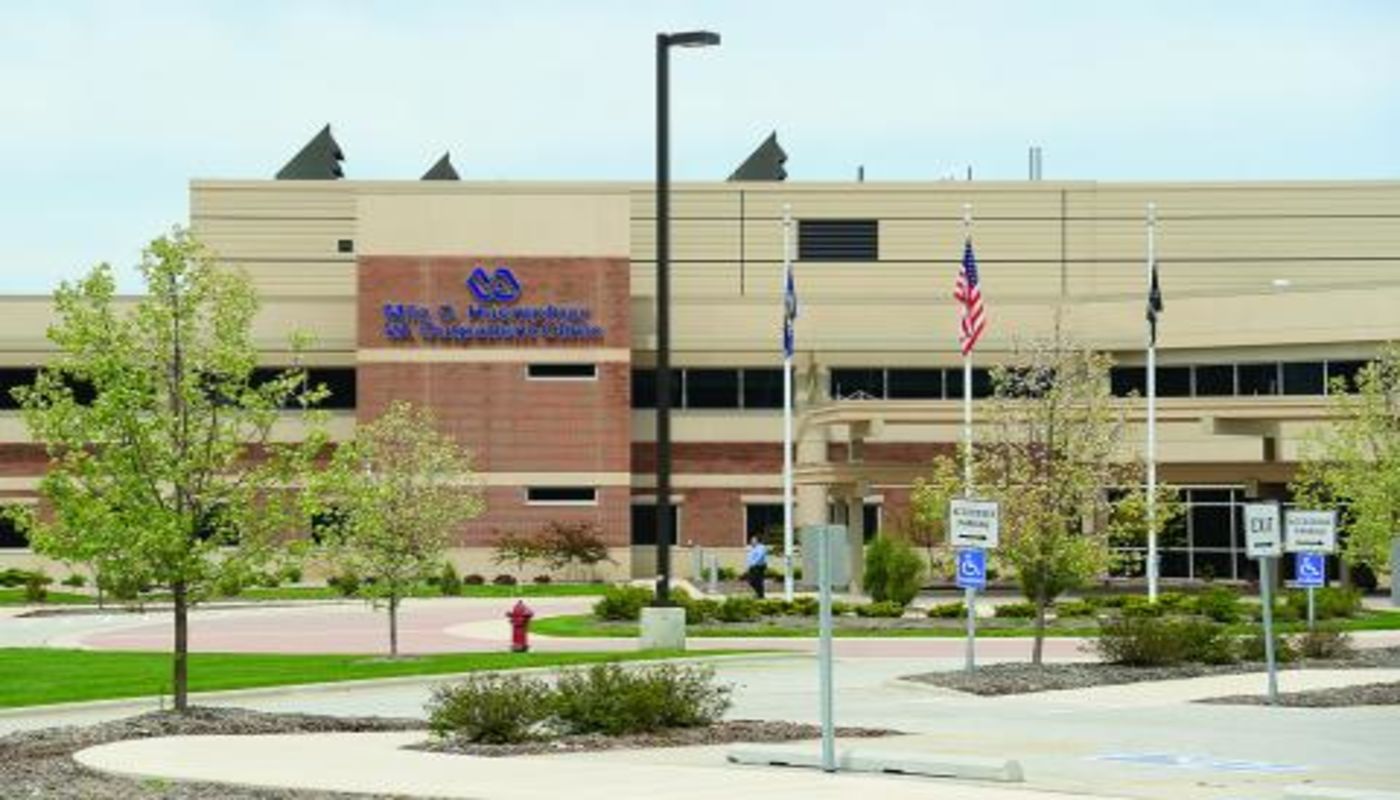
Milo C. Huempfner Department of Veterans Affairs photo 1

Frequently Asked Questions

Milo C. Huempfner Department of Veterans Affairs accepts 24 insurance providers including Aetna, Anthem, BlueCross BlueShield, Bright Health, CareFirst. Coverage varies by plan. Call (833) 567-5838 for free verification.

Milo C. Huempfner Department of Veterans Affairs offers comprehensive treatment, with therapies including 1-on-1 Counseling, Cognitive Behavioral Therapy, Group Therapy, Online Therapy. Plans are individualized.

Costs vary by level of care, duration, and insurance. Most major insurance is accepted. Call (833) 567-5838 for a free cost estimate.

Yes. Browse all centers in TX or call (833) 567-5838 for recommendations.

Treatment starts with a comprehensive assessment, then a personalized plan with individual therapy, group sessions, and evidence-based methods. Aftercare planning ensures ongoing support.

Recovery Resources & Guides

View All Articles →
Outpatient vs Inpatient Rehab: How to Choose the Right Level of Care
Recovery Guide
Outpatient vs Inpatient Rehab: How to Choose the Right Level...
Learn the key differences between outpatient and inpatient rehab, understand suc...
5 min read
Dual Diagnosis Treatment: When Addiction and Mental Health Collide
Recovery Guide
Dual Diagnosis Treatment: When Addiction and Mental Health C...
Discover why 50% of people with addiction also have mental health conditions and...
5 min read
Alcohol Withdrawal: Timeline, Symptoms, and When You Need Medical Detox
Recovery Guide
Alcohol Withdrawal: Timeline, Symptoms, and When You Need Me...
Learn the dangerous timeline of alcohol withdrawal, recognize life-threatening s...
5 min read

More Centers in Lubbock

View All in Lubbock →
The Lighthouse Bali
Lubbock, TX
Co-Occurring Mental Health Outpatient Detox
View Center
Plainview Serenity Center
Lubbock, TX
Co-Occurring Mental Health Outpatient
View Center
Plainview Serenity Center
Lubbock, TX
Co-Occurring Mental Health Outpatient
View Center
Information last verified: April 2026 · Data sourced from SAMHSA
RehabFlow Editorial Team
Clinical Content Review Board

Our content is written by health information specialists and fact-checked against SAMHSA data, CDC reports, and NIDA research. Every page is reviewed for clinical accuracy before publication.

SAMHSA-verified data
Clinically reviewed
Updated April 2026
Editorial Policy ›
Home Find Centers Treatment Insurance Resources Compare Blog About