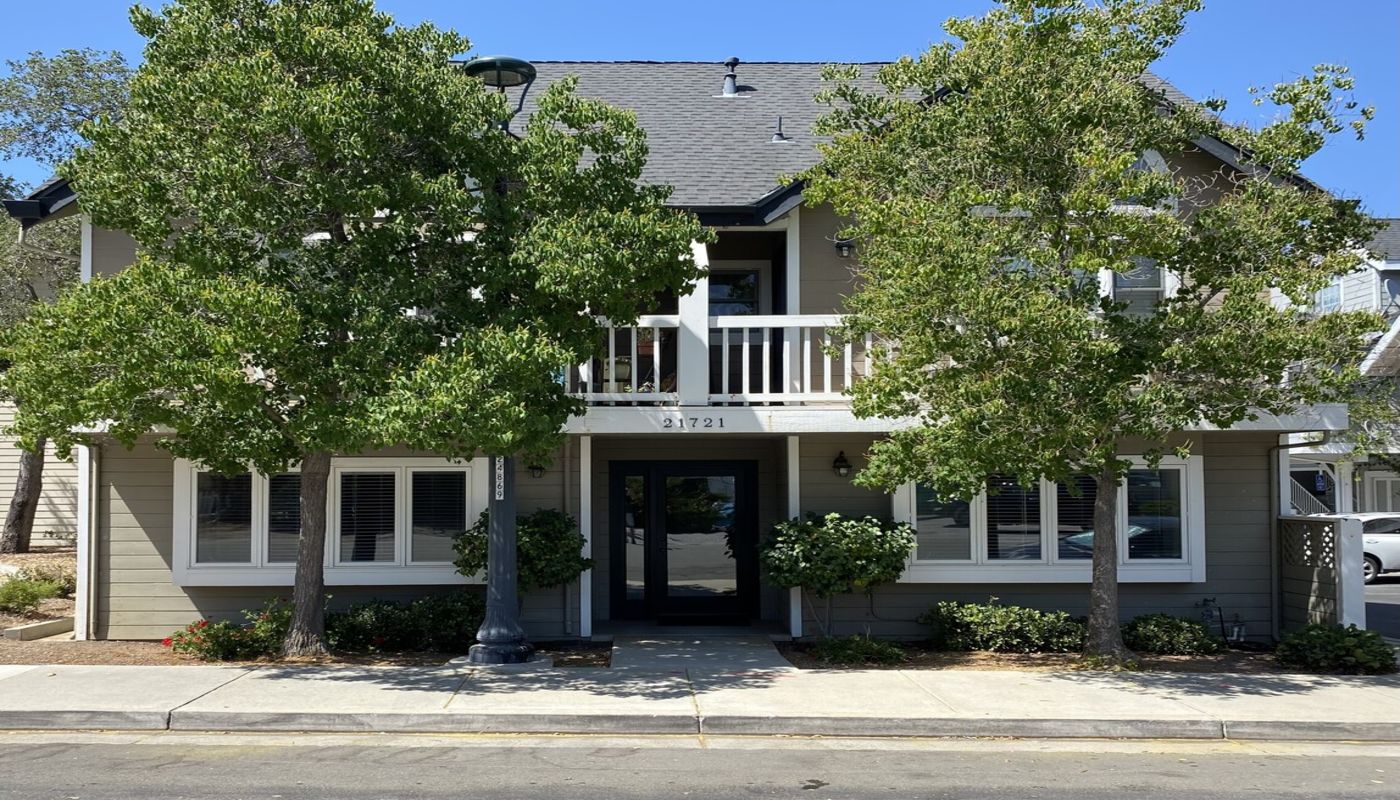
Mid-Peninsula Eating Disorder Clinic
Cupertino, CA
Key Facts About Mid-Peninsula Eating Disorder Clinic
- Location: Cupertino, CA
- Levels of Care: Outpatient
- Insurance: Accepts 24 providers including Aetna, Anthem, BlueCross BlueShield
- Therapies: 1-on-1 Counseling, Cognitive Behavioral Therapy, Family Therapy, Group Therapy and more
- Help Available: Call (833) 567-5838 for free insurance verification and placement assistance
About Mid-Peninsula Eating Disorder Clinic
Their approach combines evidence-based therapies like dialectical behavior therapy (DBT), acceptance and commitment therapy (ACT), and motivational interviewing (MI) with holistic methods such as mindfulness and nutrition counseling. They focus on treating both the mind and body, helping clients build healthy relationships with food while addressing the emotional challenges behind their eating disorder.
Clients receive tailored treatment plans that include individual, group, and family therapy. Medical and psychiatric support is also available to ensure safe recovery. The clinic requires medical clearance before admission to prioritize client health. Their dedicated team works closely with each person to create lasting change, providing care that extends beyond treatment into lifelong recovery.
Evidence-Based Context: According to SAMHSA's National Survey on Drug Use and Health (2023), approximately 48.7 million Americans aged 12 or older had a substance use disorder in the past year. The National Institute on Drug Abuse (NIDA) emphasizes that treatment programs combining behavioral therapy with medication-assisted approaches show the highest rates of sustained recovery. Facilities like Mid-Peninsula Eating Disorder Clinic provide structured pathways to evidence-based care. Sources: SAMHSA NSDUH 2023, NIDA Principles of Drug Addiction Treatment (4th Ed.)
Who This Center Serves
What to Expect at Mid-Peninsula Eating Disorder Clinic
1. Initial Assessment
A clinical team evaluates your history, needs, and goals to create a personalized plan.
2. Active Treatment
Evidence-based therapies including 1-on-1 Counseling and Cognitive Behavioral Therapy, typically 90 days.
3. Progress & Recovery
Regular progress reviews, skill-building sessions, and adjustment of your treatment plan.
4. Aftercare Planning
Continued support, relapse prevention strategies, and connections to community resources for lasting recovery.
Understanding Your Treatment Options
Choosing the right treatment facility is one of the most important decisions in the recovery journey. Research published by the National Institute on Drug Abuse (NIDA) shows that treatment duration, therapeutic approach, and aftercare planning are the three strongest predictors of long-term sobriety.
Mid-Peninsula Eating Disorder Clinic offers 1 distinct levels of care, allowing patients to step through treatment intensities as they progress.
The facility utilizes 9 evidence-based therapeutic modalities. According to NIDA research, combination therapy approaches that integrate behavioral interventions (such as 1-on-1 Counseling and Cognitive Behavioral Therapy) with holistic support show significantly improved outcomes compared to single-modality programs.
Under the Mental Health Parity and Addiction Equity Act, most commercial insurance plans are required to cover substance abuse treatment. Mid-Peninsula Eating Disorder Clinic works with 24 insurance providers. Call (833) 567-5838 to verify your specific coverage and learn about out-of-pocket costs before admission.
Contact Information
Quick Facts
| Program | 90 days |
| Focus | You can get treatment for eati... |
| Insurance | 24 accepted |
Similar Centers
Compare Options
Helpful Resources
Therapies & Methods
Treatment Philosophy
Conditions & Substances Treated
Insurance Accepted
Mid-Peninsula Eating Disorder Clinic works with 24 insurance providers.
Verify Your Insurance Coverage
Free verification · Know your costs before you commit