Little Creek Recovery

359 Easton Turnpike, Lake Ariel, PA 18436

✓ Joint Commission Est. 2008 2 care levels
(833) 567-5838 Free · Confidential · 24/7

Key Facts About Little Creek Recovery

  • Location: Lake Ariel, PA — Joint Commission accredited
  • Levels of Care: Co-Occurring Mental Health, Outpatient
  • Insurance: Accepts 24 providers including Aetna, Anthem, BlueCross BlueShield
  • Therapies: 1-on-1 Counseling, Cognitive Behavioral Therapy, Family Therapy, Life Skills and more
  • Help Available: Call (833) 567-5838 for free insurance verification and placement assistance

About Little Creek Recovery

Built to provide something very different in the way of drug and alcohol treatment, Little Creek Lodge was the first of its kind on the east coast when they opened in 2008. Little Creek is not a place where clients will be able to “fly under the radar.” Everyone who comes here has some type of attribute, no matter how low they may feel about themselves. Little Creek wants to find out what those qualities are and empower residents to embrace them through 12-Step philosophies, talk therapies, and adventure therapy.
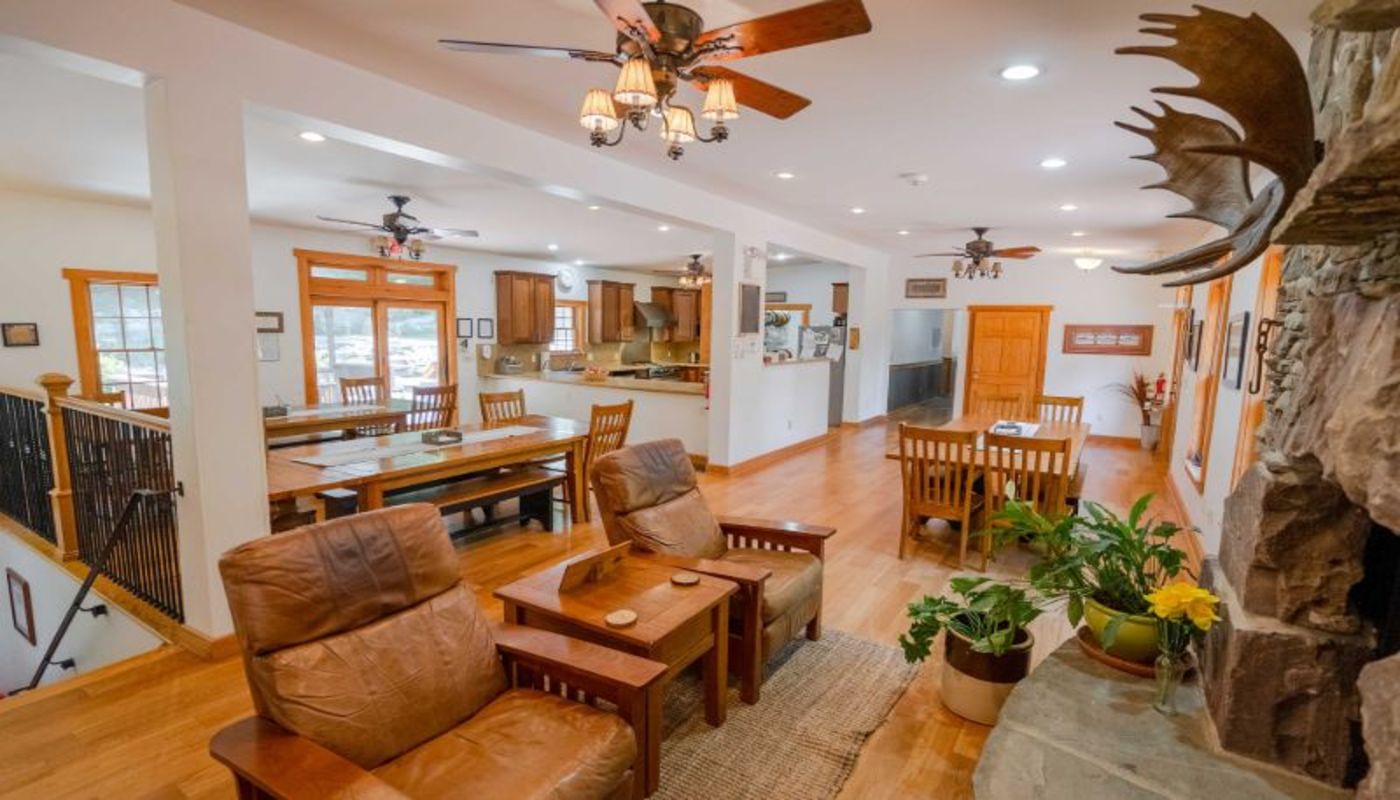
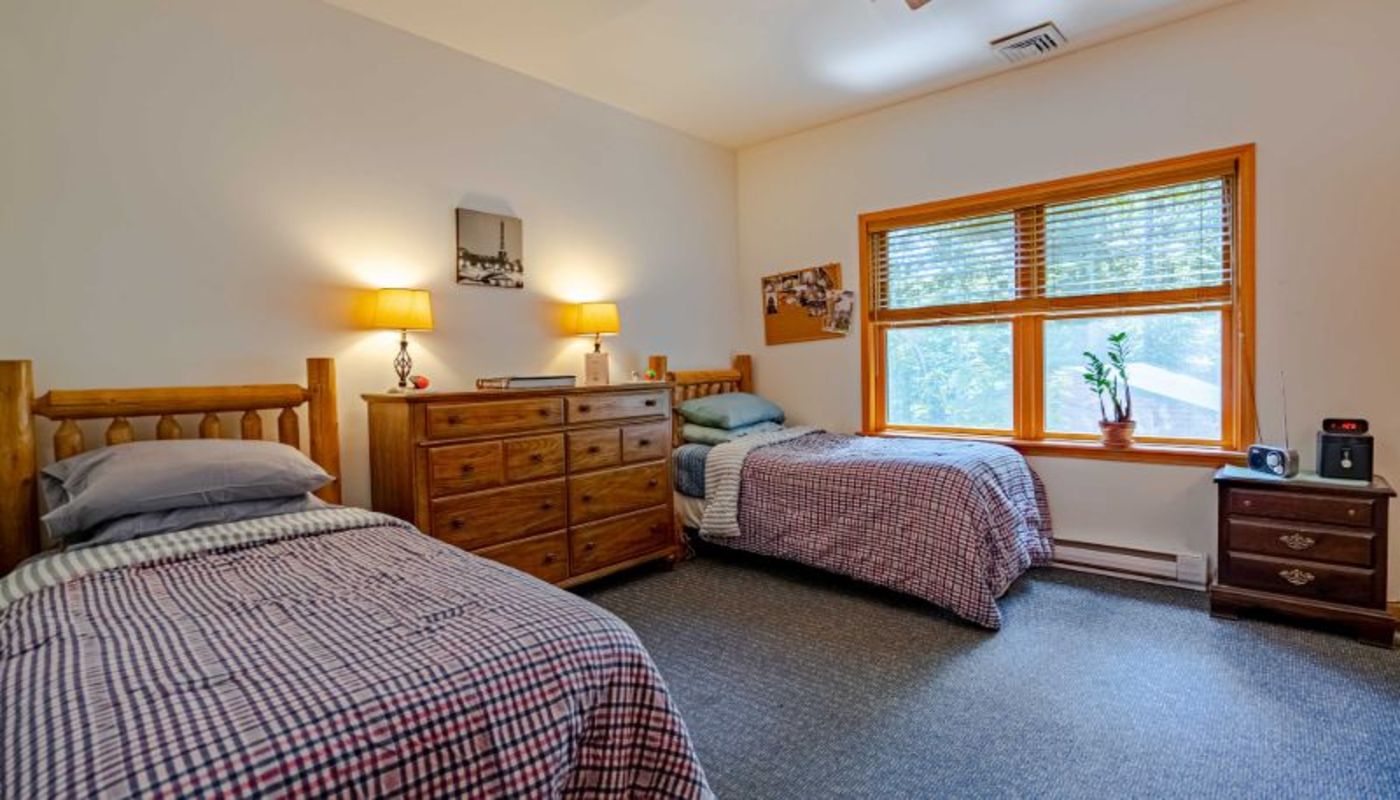
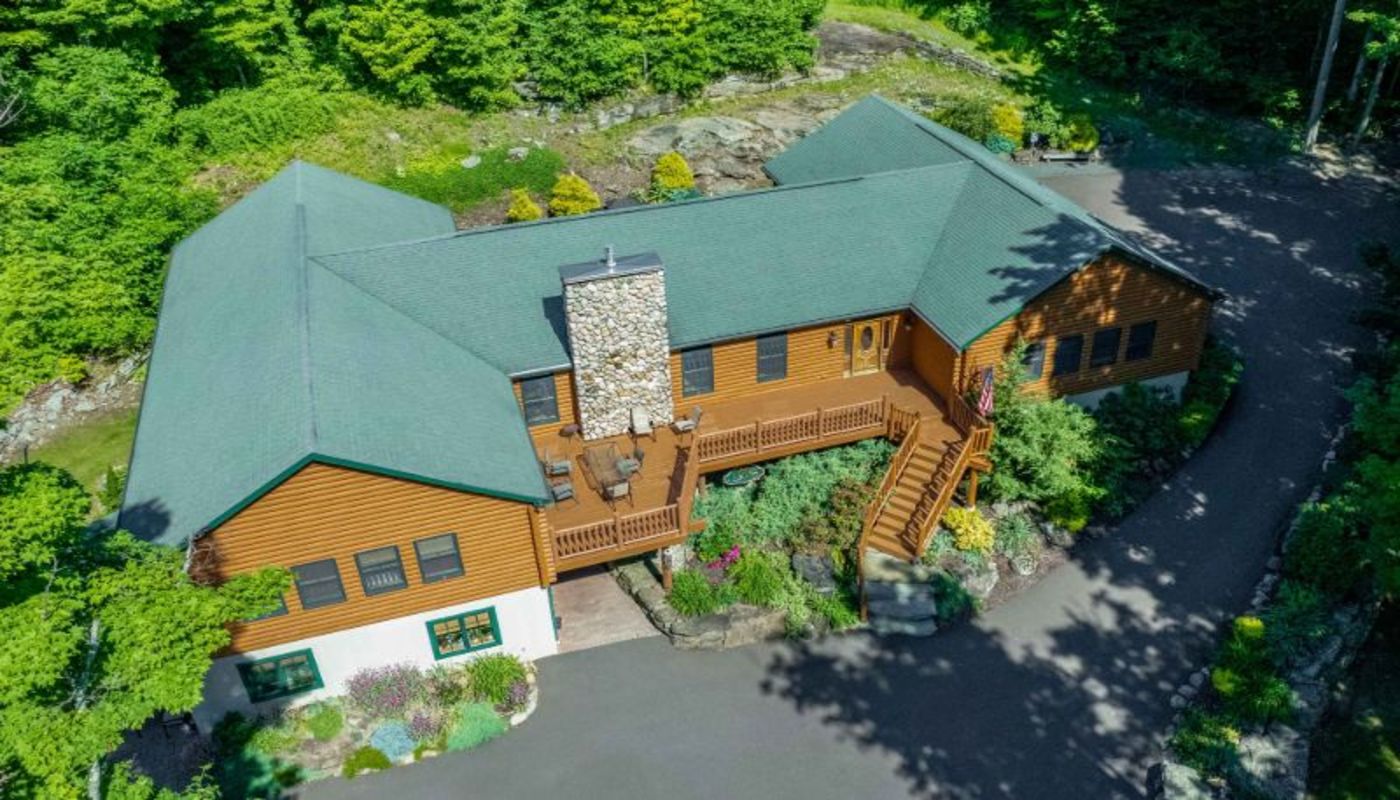
Licensed for 16 beds, Little Creek Recovery provides each resident and their families with highly individualized treatment. Operating a small facility allows Little Creek to get to know each client and their families on an intimate level, which gives Little Creek the ability to discern and address all of the intricacies of each case. Their caring and compassionate staff tends to the needs of clients and their families with the respect those in recovery deserve. Little Creek Recovery is well-attuned to the specific needs of adult men, making them highly effective in treating addiction and mental health concerns.
Little Creek Recovery offers a range of treatment services, like residential care and outpatient care. Their sober living home, Shane’s House, is located on their Pennsylvania property. Partial-hospitalization programs and attentive outpatient programs offer flexibility for those who can’t attend residential treatment. Notably, all outpatient programs are co-ed, but residential stays are male-only. Little Creek’s residential and sober living homes are exclusively for men to allow for the most relevant, effective treatment.
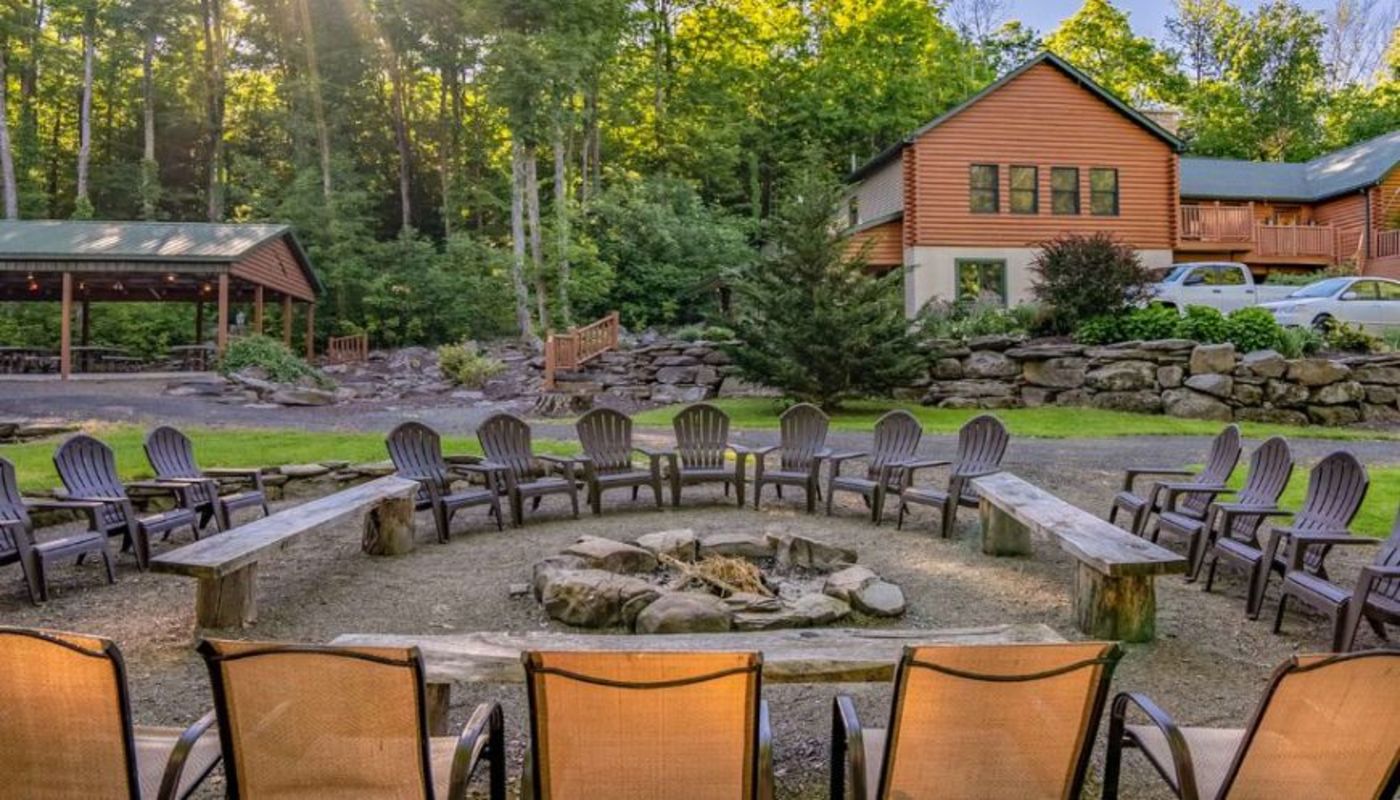
Little Creek’s residential program for men offers long-term residential care with an emphasis on 12-Step philosophy, peer recovery, and adventure therapy. Outdoor adventure therapy has proven to be a highly effective treatment method, and doing it with others only strengthens community bonds and heightens sober fun. During sessions, adventure therapists aim to utilize clinical tools and the power of the outdoors to promote healing and recovery. Adventure therapy also promotes healthy identity and culture development, self-efficacy, improves self-esteem, and facilitates overall personal growth. Typical activities and trips within the program include kayaking, zip lining, mountain biking, rock climbing, swimming, horseback riding, disc golf, and more.

Evidence-Based Context: According to SAMHSA's National Survey on Drug Use and Health (2023), approximately 48.7 million Americans aged 12 or older had a substance use disorder in the past year. The National Institute on Drug Abuse (NIDA) emphasizes that treatment programs combining behavioral therapy with medication-assisted approaches show the highest rates of sustained recovery. Facilities like Little Creek Recovery provide structured pathways to evidence-based care. Sources: SAMHSA NSDUH 2023, NIDA Principles of Drug Addiction Treatment (4th Ed.)

Who This Center Serves

Men Young Adults Men Only Midlife Adults

Amenities & Features

Access to Nature
Basketball Court
Fitness Center
Outdoor Lounge
Volleyball Court
Gardens
Walking Trails
Airport Transfers

Services Offered

Substance use treatment
Residential/24-hour residential Long-term residential Short-term residential
Buprenorphine used in Treatment Naltrexone used in Treatment
This facility administers/prescribes medication for alcohol use disorder
Other contracted prescribing entity
Buprenorphine maintenance Prescribes buprenorphine Prescribes naltrexone Relapse prevention with naltrexone Lofexidine or Clonidine detoxification
Acamprosate (Campral®) Buprenorphine sub-dermal implant Buprenorphine with naloxone Buprenorphine (extended-release, injectable) Naltrexone (oral) Clonidine Medication for mental disorders Nicotine replacement
Cognitive behavioral therapy Motivational interviewing Matrix Model Relapse prevention Substance use disorder counseling Telemedicine/telehealth therapy Trauma-related counseling 12-step facilitation
Private for-profit organization
State Substance use treatment agency The Joint Commission
Private health insurance Cash or self-payment
Adult men
Comprehensive mental health assessment Comprehensive substance use assessment Complete medical history/physical exam Screening for tobacco use
Breathalyzer or blood alcohol testing Drug or alcohol urine screening
Aftercare/continuing care Discharge Planning Naloxone and overdose education Outcome follow-up after discharge
Self-help groups Housing services Assistance with obtaining social services Mentoring/peer support Employment counseling or training
Treatment for gambling disorder Treatment for other addiction disorder
HIV or AIDS education, counseling, or support Health education services other than HIV/AIDS or hepatitis Substance use disorder education Smoking/vaping/tobacco cessation counseling Individual counseling Group counseling Family counseling Vocational training or educational support (for example, high school coursework, GED preparation, etc.) 
Smoking permitted in designated area
Young Adults Adults
Male
Vaping permitted in designated area
Case management service Mental health services Social skills development Transportation assistance Suicide prevention services

What to Expect at Little Creek Recovery

1. Initial Assessment

A clinical team evaluates your history, needs, and goals to create a personalized plan.

2. Active Treatment

Evidence-based therapies including 1-on-1 Counseling and Cognitive Behavioral Therapy, typically 90 days.

3. Progress & Recovery

Regular progress reviews, skill-building sessions, and adjustment of your treatment plan.

4. Aftercare Planning

Continued support, relapse prevention strategies, and connections to community resources for lasting recovery.

Understanding Your Treatment Options

Choosing the right treatment facility is one of the most important decisions in the recovery journey. Research published by the National Institute on Drug Abuse (NIDA) shows that treatment duration, therapeutic approach, and aftercare planning are the three strongest predictors of long-term sobriety.

Little Creek Recovery offers 2 distinct levels of care, allowing patients to step through treatment intensities as they progress. This continuum-of-care model — moving from higher to lower intensity — is recommended by SAMHSA as the gold standard for addiction treatment.

The facility utilizes 9 evidence-based therapeutic modalities. According to NIDA research, combination therapy approaches that integrate behavioral interventions (such as 1-on-1 Counseling and Cognitive Behavioral Therapy) with holistic support show significantly improved outcomes compared to single-modality programs.

Under the Mental Health Parity and Addiction Equity Act, most commercial insurance plans are required to cover substance abuse treatment. Little Creek Recovery works with 24 insurance providers. Call (833) 567-5838 to verify your specific coverage and learn about out-of-pocket costs before admission.

Contact Information

359 Easton Turnpike, Lake Ariel, PA, 18436

Quick Facts

Program90 days
Capacity16-30 beds
FocusThis center treats substance u...
Insurance24 accepted
AccreditationJoint Commission

Free 24/7 Helpline

(833) 567-5838

Insurance verification · No obligation

Levels of Care

Available treatment intensities

Treatment Philosophy

Evidence-Based Holistic Gender-Specific Twelve Step

Conditions & Substances Treated

Alcohol Co-Occurring Disorders Drug Addiction Benzodiazepines Cocaine Ecstasy Heroin Methamphetamine Marijuana

Verify Your Insurance Coverage

Free verification · Know your costs before you commit
(833) 567-5838
Little Creek Recovery photo 1
Little Creek Recovery photo 2
Little Creek Recovery photo 3
Little Creek Recovery photo 4
Little Creek Recovery photo 5

Frequently Asked Questions

Little Creek Recovery accepts 24 insurance providers including Aetna, Anthem, BlueCross BlueShield, Bright Health, CareFirst. Coverage varies by plan. Call (833) 567-5838 for free verification.

Little Creek Recovery offers Co-Occurring Mental Health, Outpatient, with therapies including 1-on-1 Counseling, Cognitive Behavioral Therapy, Family Therapy, Life Skills. Plans are individualized.

Costs vary by level of care, duration, and insurance. Most major insurance is accepted. Call (833) 567-5838 for a free cost estimate.

Yes. Browse all centers in PA or call (833) 567-5838 for recommendations.

Treatment starts with a comprehensive assessment, then a personalized plan with individual therapy, group sessions, and evidence-based methods. Programs typically last 90 days. Aftercare planning ensures ongoing support.

Recovery Resources & Guides

View All Articles →
Outpatient vs Inpatient Rehab: How to Choose the Right Level of Care
Recovery Guide
Outpatient vs Inpatient Rehab: How to Choose the Right Level...
Learn the key differences between outpatient and inpatient rehab, understand suc...
5 min read
Dual Diagnosis Treatment: When Addiction and Mental Health Collide
Recovery Guide
Dual Diagnosis Treatment: When Addiction and Mental Health C...
Discover why 50% of people with addiction also have mental health conditions and...
5 min read
Alcohol Withdrawal: Timeline, Symptoms, and When You Need Medical Detox
Recovery Guide
Alcohol Withdrawal: Timeline, Symptoms, and When You Need Me...
Learn the dangerous timeline of alcohol withdrawal, recognize life-threatening s...
5 min read
Information last verified: April 2026 · Data sourced from SAMHSA
RehabFlow Editorial Team
Clinical Content Review Board

Our content is written by health information specialists and fact-checked against SAMHSA data, CDC reports, and NIDA research. Every page is reviewed for clinical accuracy before publication.

SAMHSA-verified data
Clinically reviewed
Updated April 2026
Editorial Policy ›
Home Find Centers Treatment Insurance Resources Compare Blog About