Inbalance Transitional Living

2052 Princeton Road, Hamilton, OH 45011

✓ Joint Commission Est. 2006 1 care level
(833) 567-5838 Free · Confidential · 24/7

Key Facts About Inbalance Transitional Living

  • Location: Hamilton, OH — Joint Commission accredited
  • Levels of Care: Co-Occurring Mental Health
  • Insurance: Accepts 24 providers including Aetna, Anthem, BlueCross BlueShield
  • Therapies: 1-on-1 Counseling, Family Therapy, Group Therapy, Twelve Step Facilitation and more
  • Help Available: Call (833) 567-5838 for free insurance verification and placement assistance

About Inbalance Transitional Living

This treatment center in Tucson is committed to providing a safe and supportive brotherhood for high school, college and post-college aged young men who struggle with addiction. This transitional living program is intended for men who have already been through formal treatment and are needing additional support and community to help encourage sobriety.
The program at Inbalance has several components. The first essential pillar of the program is community. Fellowship and brotherhood are built by attending 12 Step meetings that all the men attend throughout their time at the house. They learn to live in community with people who have similar purpose. They also attend house meetings and work with a life coach who is employed by Inbalance. The life coach tracks the resident’s 12 Step work, physical health and activity and also monitors their bank account and spending. The second pillar is therapy. The therapy that takes place at Inbalance focuses on rebuilding the person’s life and less on their past. Family therapy sessions take place once a month, meanwhile families are encouraged to attend Al-Anon meetings in between sessions. The third pillar is fun. Inbalance can show young men how recovery can be fun by offering sports, social activities, ski trips, cliff diving, swimming and more.
If a high school aged guy comes to the house, he will be able to continue his education at Tucson High School. Inbalance has a dedicated teacher to work with their residents in their own classroom, in order to avoid high school “temptations.” The school day is shortened from 9am-2:30pm Monday through Thursday. This shortened schedule is still enough to complete education while leaving plenty of time for recovery and life skills.

Evidence-Based Context: According to SAMHSA's National Survey on Drug Use and Health (2023), approximately 48.7 million Americans aged 12 or older had a substance use disorder in the past year. The National Institute on Drug Abuse (NIDA) emphasizes that treatment programs combining behavioral therapy with medication-assisted approaches show the highest rates of sustained recovery. Facilities like Inbalance Transitional Living provide structured pathways to evidence-based care. Sources: SAMHSA NSDUH 2023, NIDA Principles of Drug Addiction Treatment (4th Ed.)

Amenities & Features

Access to Nature

Services Offered

Mental health treatment Treatment for co-occurring substance use plus either serious mental health illness in adults/serious emotional disturbance in children
Outpatient Partial hospitalization/day treatment Residential/24-hour residential
Multi-setting mental health facility (e.g., non-hospital residential plus either outpatient and/or partial hospitalization/day treatment)
Fluphenazine Haloperidol Perphenazine Aripiprazole Brexpiprazole Cariprazine Clozapine IIoperidone Lurasidone Olanzapine Paliperidone Quetiapine Risperidone Ziprasidone Antipsychotics used in treatment of SMI
Cognitive behavioral therapy Dialectical behavior therapy Group therapy Integrated Mental and Substance Use Disorder treatment Individual psychotherapy Telemedicine/telehealth therapy Abnormal involuntary movement scale
Private non-profit organization
County or local government funds Community Mental Health Block Grants Medicare Medicaid Other State funds Cash or self-payment
Sliding fee scale (fee is based on income and other factors)
Criminal justice (other than DUI/DWI)/Forensic clients Clients with co-occurring mental and substance use disorders Persons with post-traumatic stress disorder (PTSD) Persons 18 and older with serious mental illness (SMI)
Screening for tobacco use
TB screening Metabolic syndrome monitoring Laboratory testing
Housing services Mentoring/peer support
Smoking/vaping/tobacco cessation counseling
Smoking permitted in designated area
Young Adults Adults Seniors
Sign language services for the deaf and hard of hearing
Vaping permitted in designated area
Court-ordered outpatient treatment Family psychoeducation Illness management and recovery Psychosocial rehabilitation services Case management service

What to Expect at Inbalance Transitional Living

1. Initial Assessment

A clinical team evaluates your history, needs, and goals to create a personalized plan.

2. Active Treatment

Evidence-based therapies including 1-on-1 Counseling and Family Therapy, typically 30 days.

3. Progress & Recovery

Regular progress reviews, skill-building sessions, and adjustment of your treatment plan.

4. Aftercare Planning

Continued support, relapse prevention strategies, and connections to community resources for lasting recovery.

Understanding Your Treatment Options

Choosing the right treatment facility is one of the most important decisions in the recovery journey. Research published by the National Institute on Drug Abuse (NIDA) shows that treatment duration, therapeutic approach, and aftercare planning are the three strongest predictors of long-term sobriety.

Inbalance Transitional Living offers 1 distinct levels of care, allowing patients to step through treatment intensities as they progress.

The facility utilizes 8 evidence-based therapeutic modalities. According to NIDA research, combination therapy approaches that integrate behavioral interventions (such as 1-on-1 Counseling and Family Therapy) with holistic support show significantly improved outcomes compared to single-modality programs.

Under the Mental Health Parity and Addiction Equity Act, most commercial insurance plans are required to cover substance abuse treatment. Inbalance Transitional Living works with 24 insurance providers. Call (833) 567-5838 to verify your specific coverage and learn about out-of-pocket costs before admission.

Contact Information

2052 Princeton Road, Hamilton, OH, 45011

Quick Facts

Program30 days
Capacity16-30 beds
FocusThis center treats substance u...
Insurance24 accepted
AccreditationJoint Commission

Free 24/7 Helpline

(833) 567-5838

Insurance verification · No obligation

Levels of Care

Available treatment intensities

Treatment Philosophy

Gender-Specific Twelve Step Therapeutic Community

Conditions & Substances Treated

Co-Occurring Disorders Drug Addiction Prescription Drugs Benzodiazepines Cocaine Heroin Methamphetamine Marijuana Synthetic Drugs

Verify Your Insurance Coverage

Free verification · Know your costs before you commit

(833) 567-5838
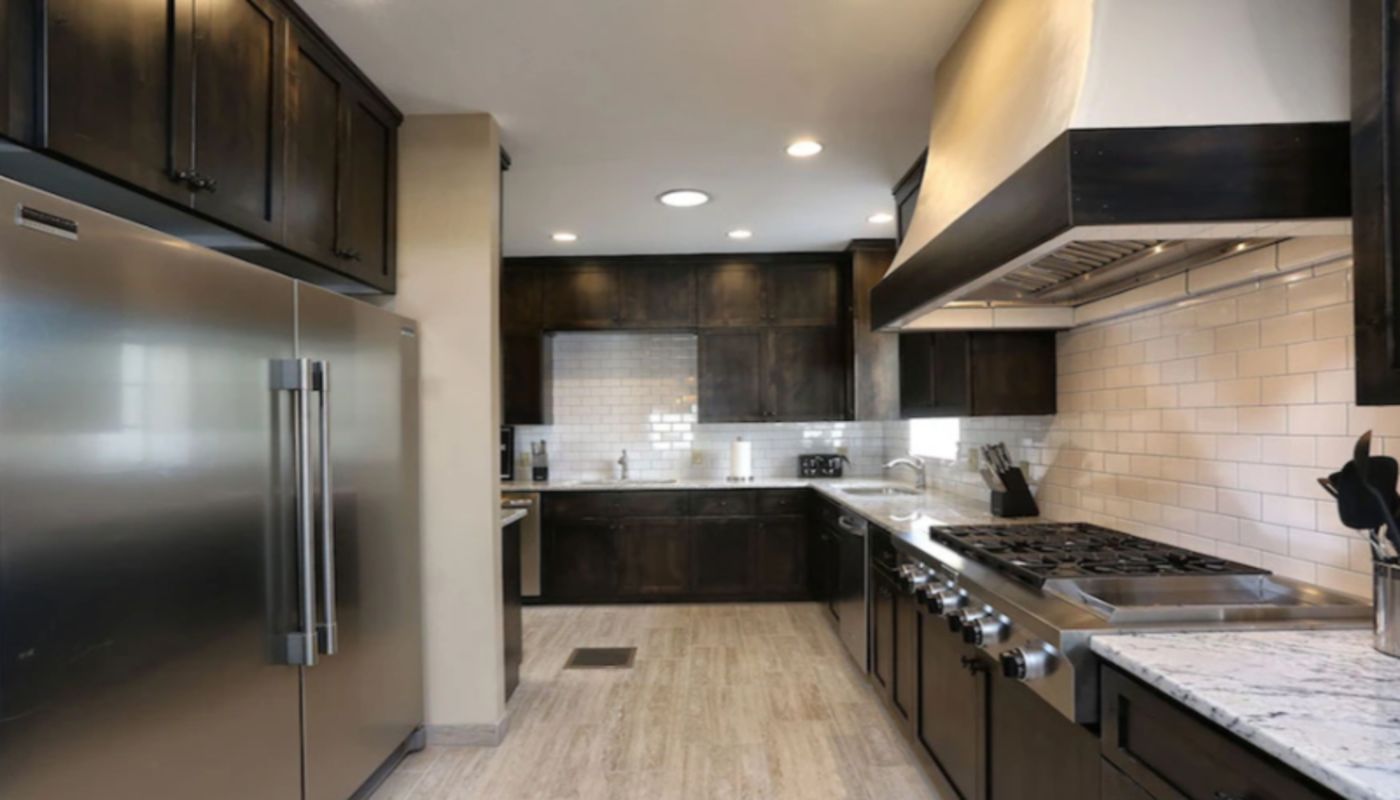
Inbalance Transitional Living photo 1
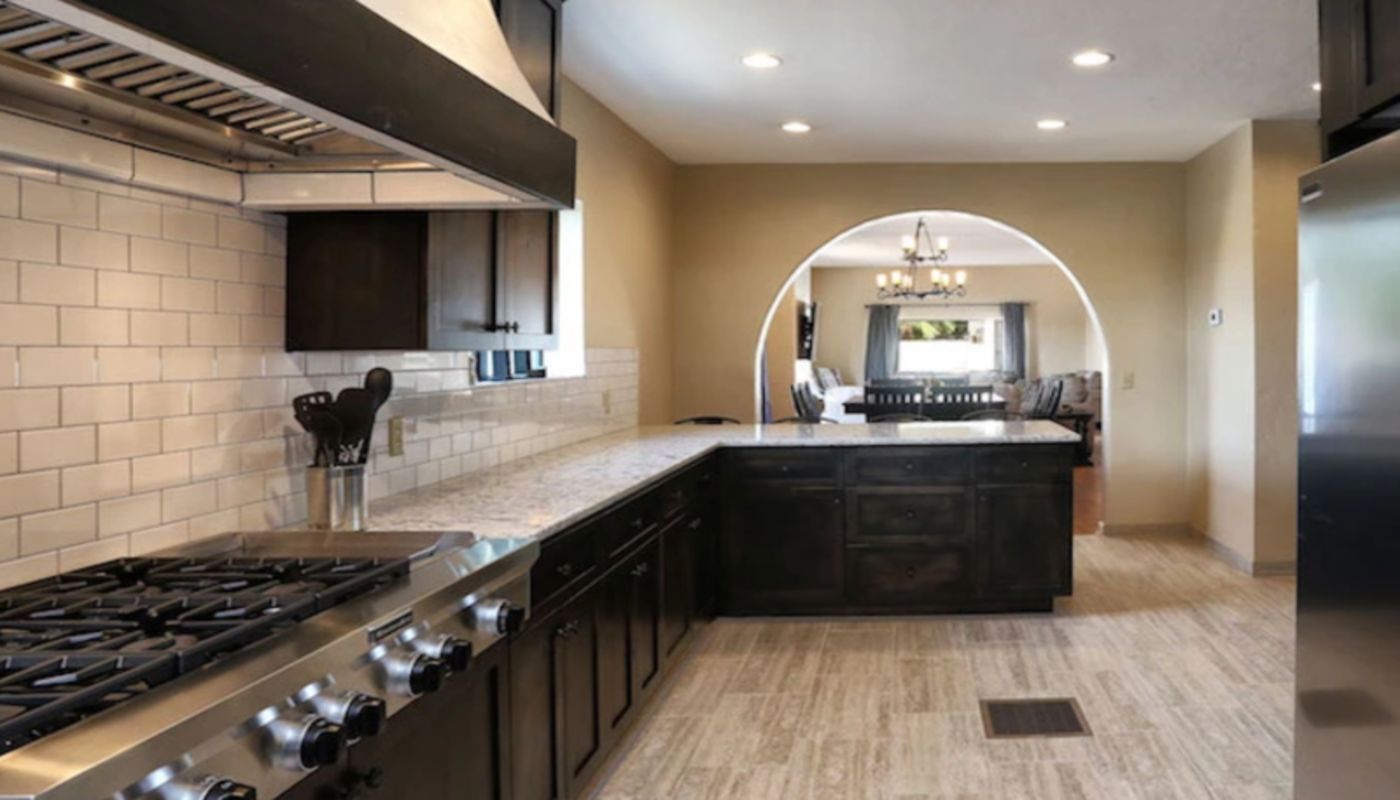
Inbalance Transitional Living photo 2
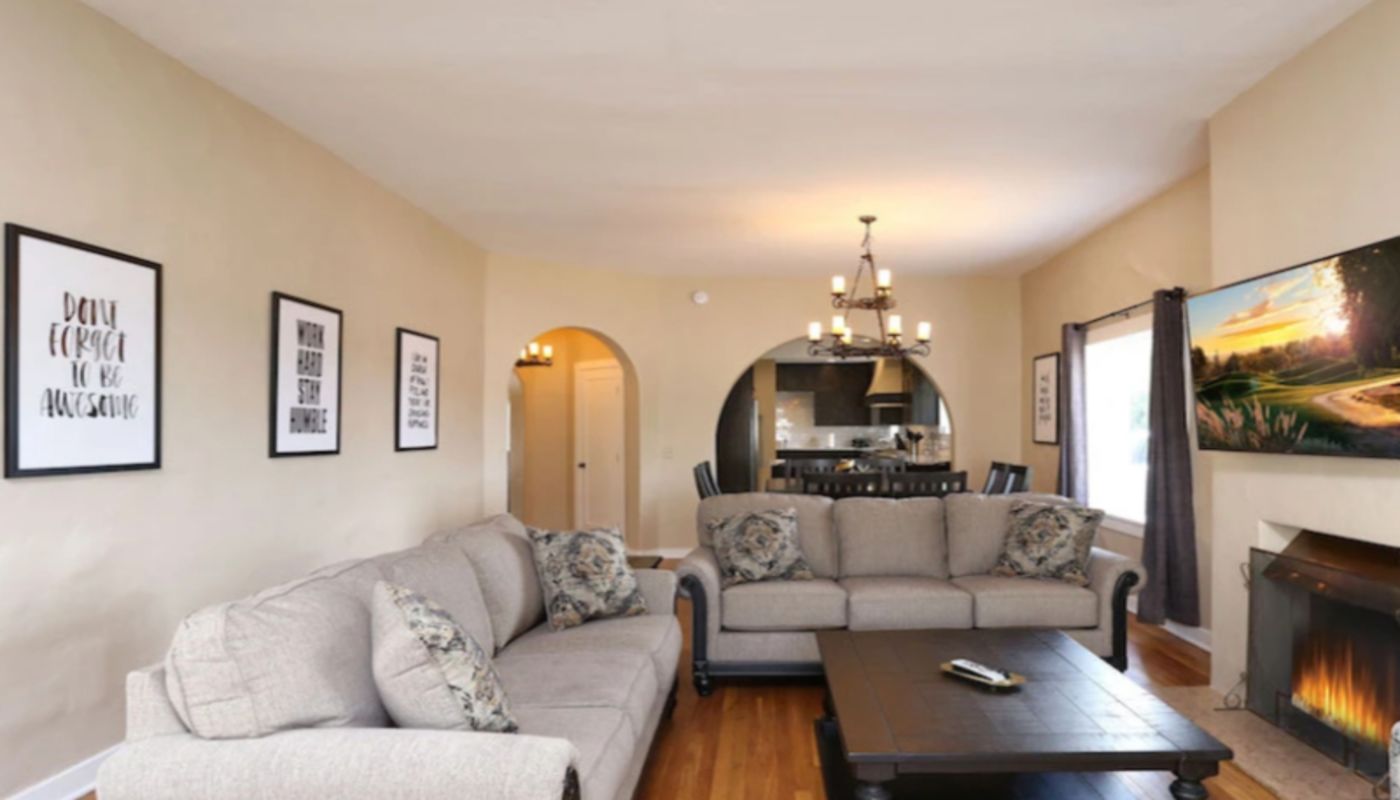
Inbalance Transitional Living photo 3
Inbalance Transitional Living photo 4

Frequently Asked Questions

Inbalance Transitional Living accepts 24 insurance providers including Aetna, Anthem, BlueCross BlueShield, Bright Health, CareFirst. Coverage varies by plan. Call (833) 567-5838 for free verification.

Inbalance Transitional Living offers Co-Occurring Mental Health, with therapies including 1-on-1 Counseling, Family Therapy, Group Therapy, Twelve Step Facilitation. Plans are individualized.

Costs vary by level of care, duration, and insurance. Most major insurance is accepted. Call (833) 567-5838 for a free cost estimate.

Yes. Browse all centers in OH or call (833) 567-5838 for recommendations.

Treatment starts with a comprehensive assessment, then a personalized plan with individual therapy, group sessions, and evidence-based methods. Programs typically last 30 days. Aftercare planning ensures ongoing support.

Recovery Resources & Guides

View All Articles →
Outpatient vs Inpatient Rehab: How to Choose the Right Level of Care
Recovery Guide
Outpatient vs Inpatient Rehab: How to Choose the Right Level...
Learn the key differences between outpatient and inpatient rehab, understand suc...
5 min read
Dual Diagnosis Treatment: When Addiction and Mental Health Collide
Recovery Guide
Dual Diagnosis Treatment: When Addiction and Mental Health C...
Discover why 50% of people with addiction also have mental health conditions and...
5 min read
Alcohol Withdrawal: Timeline, Symptoms, and When You Need Medical Detox
Recovery Guide
Alcohol Withdrawal: Timeline, Symptoms, and When You Need Me...
Learn the dangerous timeline of alcohol withdrawal, recognize life-threatening s...
5 min read

More Centers in Hamilton

View All in Hamilton →
Lifeskills Osceola Village Transitional...
Hamilton, OH
Sober Living
View Center
DeCoach Rehabilitation Centre Hamilton
Hamilton, OH
Outpatient
View Center
Mountain Center Transitional Living Prog...
Hamilton, OH
Residential Rehab Co-Occurring Mental Health Outpatient
View Center
Information last verified: April 2026 · Data sourced from SAMHSA
RehabFlow Editorial Team
Clinical Content Review Board

Our content is written by health information specialists and fact-checked against SAMHSA data, CDC reports, and NIDA research. Every page is reviewed for clinical accuracy before publication.

SAMHSA-verified data
Clinically reviewed
Updated April 2026
Editorial Policy ›
Home Find Centers Treatment Insurance Resources Compare Blog About