BRC - The Chemical Dependency Crisis Center
New York, NY
Key Facts About BRC - The Chemical Dependency Crisis Center
- Location: New York, NY
- Levels of Care: Residential Rehab, Co-Occurring Mental Health, Detox
- Insurance: Accepts 24 providers including Aetna, Anthem, BlueCross BlueShield
- Therapies: 1-on-1 Counseling, Group Therapy, Life Skills, Relapse Prevention Counseling and more
- Help Available: Call (833) 567-5838 for free insurance verification and placement assistance
About BRC - The Chemical Dependency Crisis Center
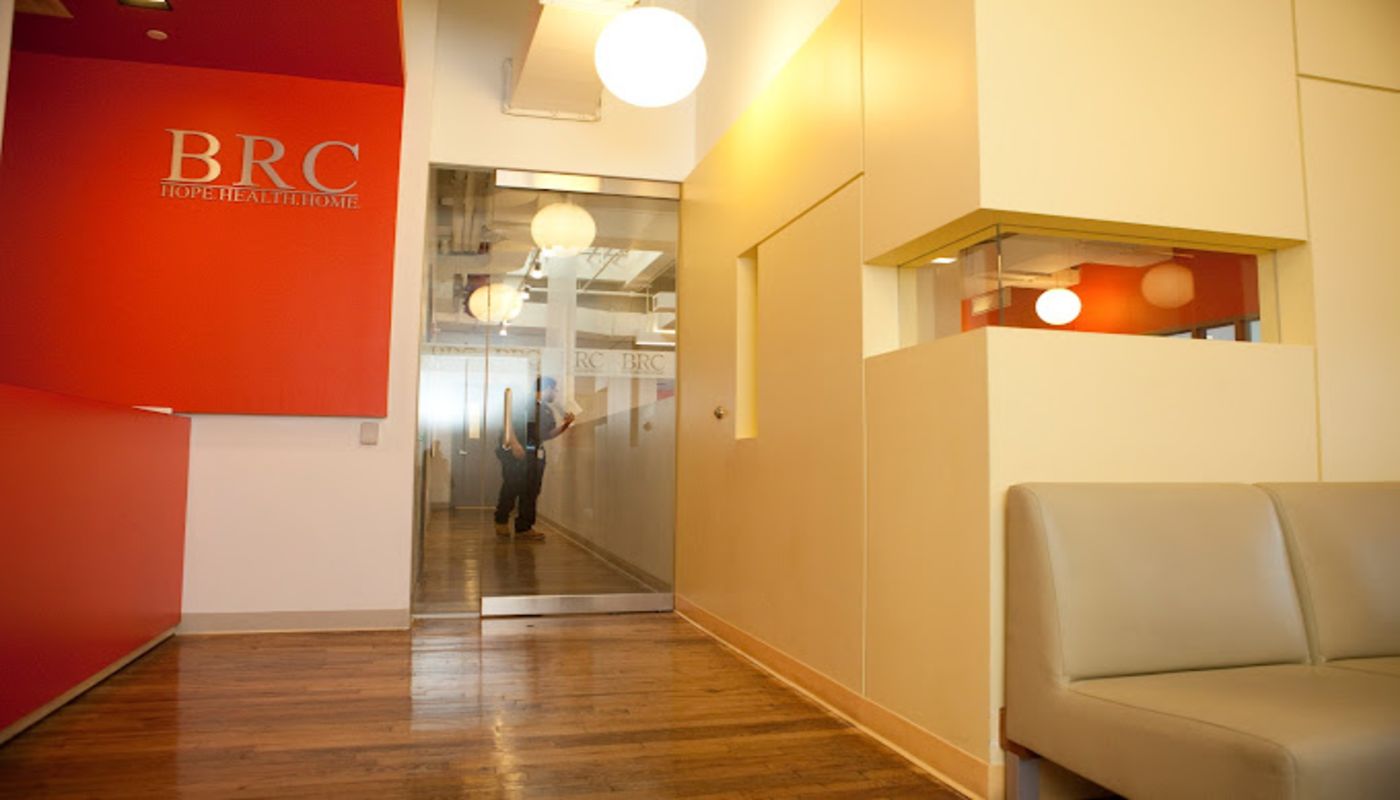
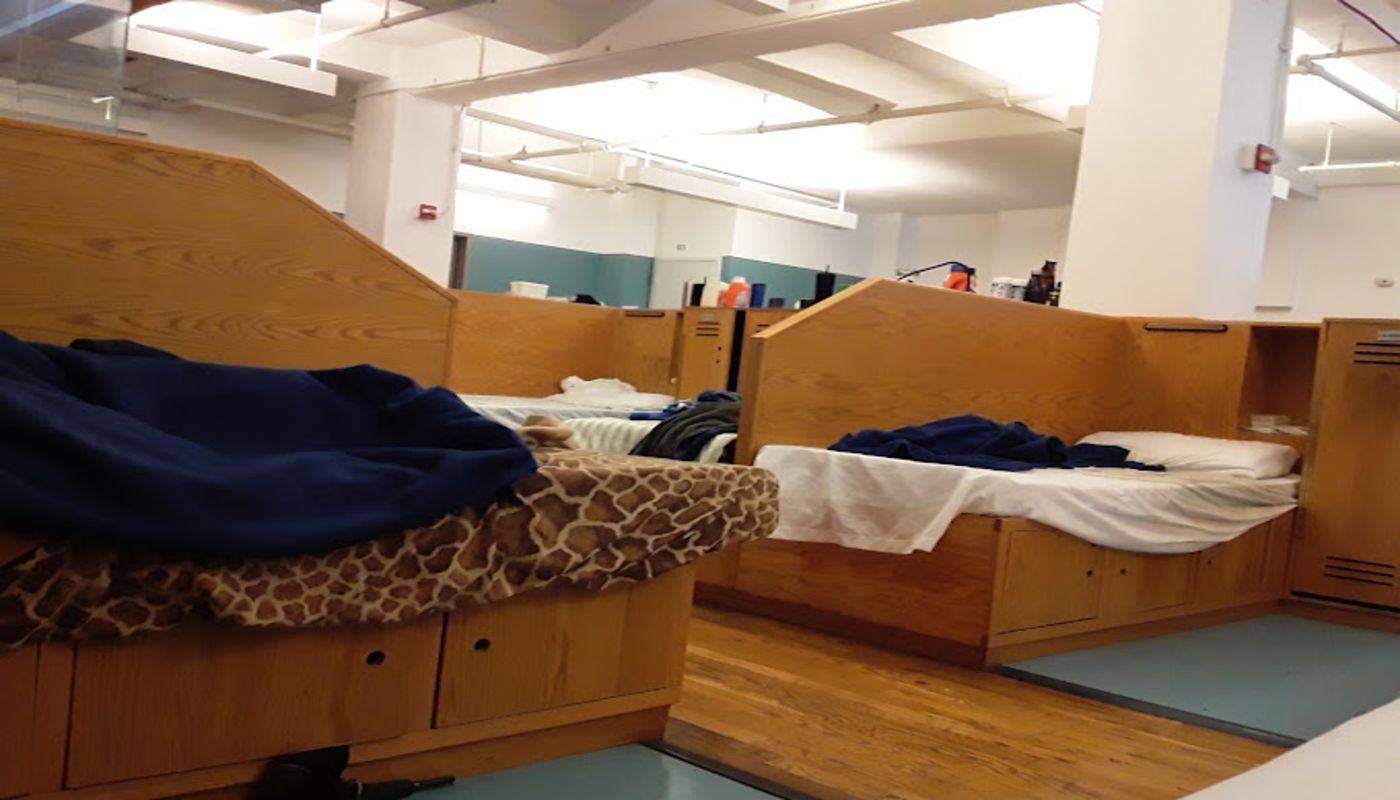
Named one of America’s best treatment addiction centers in 2023 by Newsweek, CDCC provides stabilization and rehabilitation for clients regardless of their situational barriers, and without charge to the client. The 32 bed facility offers medically-supervised detoxification, residential rehabilitation, and wraparound case management to keep clients connected to community services and resources for adults with complex substance abuse, mental health, or medical issues who are also affected by homelessness.
Their client-centered and strengths-based program ensures that each individual is provided a personally tailored recovery plan to fit their unique needs. They use analytical management to address any needs that may have previously gone unmet, and several evidence-based treatment methods to address addiction and co-occurring disorders. Their holistic approach involves meeting clients where they are currently, listening and understanding their needs, and empowering them to reclaim their lives.
Evidence-Based Context: According to SAMHSA's National Survey on Drug Use and Health (2023), approximately 48.7 million Americans aged 12 or older had a substance use disorder in the past year. The National Institute on Drug Abuse (NIDA) emphasizes that treatment programs combining behavioral therapy with medication-assisted approaches show the highest rates of sustained recovery. Facilities like BRC - The Chemical Dependency Crisis Center provide structured pathways to evidence-based care. Sources: SAMHSA NSDUH 2023, NIDA Principles of Drug Addiction Treatment (4th Ed.)
Who This Center Serves
Amenities & Features
What to Expect at BRC - The Chemical Dependency Crisis Center
1. Initial Assessment
A clinical team evaluates your history, needs, and goals to create a personalized plan.
2. Active Treatment
Evidence-based therapies including 1-on-1 Counseling and Group Therapy, typically 30 days.
3. Progress & Recovery
Regular progress reviews, skill-building sessions, and adjustment of your treatment plan.
4. Aftercare Planning
Continued support, relapse prevention strategies, and connections to community resources for lasting recovery.
Understanding Your Treatment Options
Choosing the right treatment facility is one of the most important decisions in the recovery journey. Research published by the National Institute on Drug Abuse (NIDA) shows that treatment duration, therapeutic approach, and aftercare planning are the three strongest predictors of long-term sobriety.
BRC - The Chemical Dependency Crisis Center offers 3 distinct levels of care, allowing patients to step through treatment intensities as they progress. This continuum-of-care model — moving from higher to lower intensity — is recommended by SAMHSA as the gold standard for addiction treatment.
The facility utilizes 6 evidence-based therapeutic modalities. According to NIDA research, combination therapy approaches that integrate behavioral interventions (such as 1-on-1 Counseling and Group Therapy) with holistic support show significantly improved outcomes compared to single-modality programs.
Under the Mental Health Parity and Addiction Equity Act, most commercial insurance plans are required to cover substance abuse treatment. BRC - The Chemical Dependency Crisis Center works with 24 insurance providers. Call (833) 567-5838 to verify your specific coverage and learn about out-of-pocket costs before admission.
Contact Information
Quick Facts
| Program | 30 days |
| Capacity | 31-50 beds |
| Focus | This center treats substance u... |
| Insurance | 24 accepted |
Similar Centers
Compare Options
Helpful Resources
Therapies & Methods
Treatment Philosophy
Conditions & Substances Treated
Insurance Accepted
BRC - The Chemical Dependency Crisis Center works with 24 insurance providers.
Verify Your Insurance Coverage
Free verification · Know your costs before you commit